Billy Grammer was a very successful country singer and instrumentalist who had a million-selling single, “Gotta Travel On,” in 1959 that made him a popular member of the Grand Ole Opry. His success led to playing sessions and making TV appearances with other artists, and his love for guitar led him to want to build what he thought would be the best acoustic ever made. By the mid ’60s, he believed the time was right for bringing his own line of guitars to market. Grammer’s vision of the perfect instrument brought together his perception of the finest appointments, specifications, and materials, to create an affordable, high-quality acoustic made right in Music City. He felt that American acoustic guitar brands, like Gibson and Martin, were becoming too expensive for most people, and import guitars at the time were not typically well made.
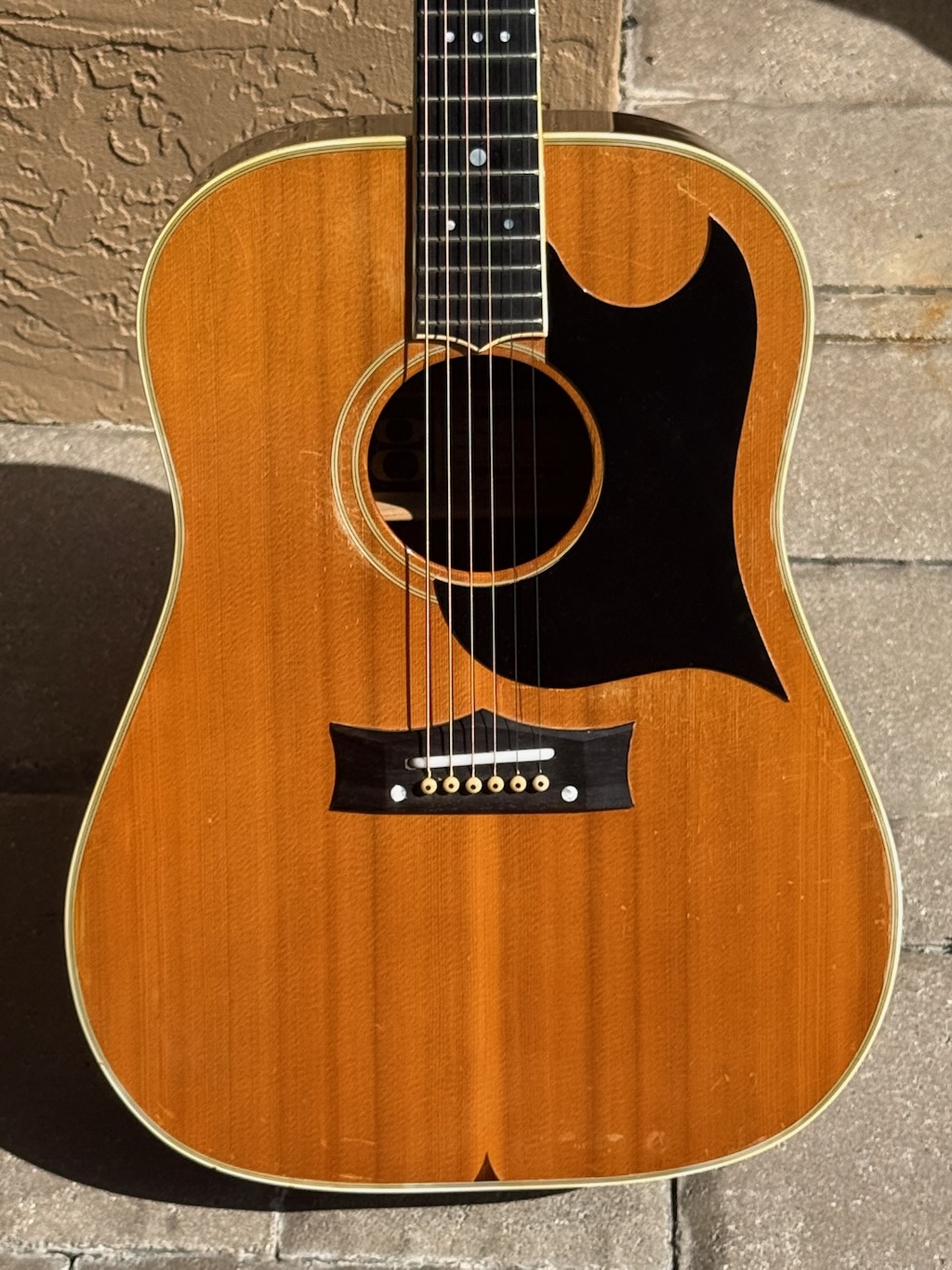
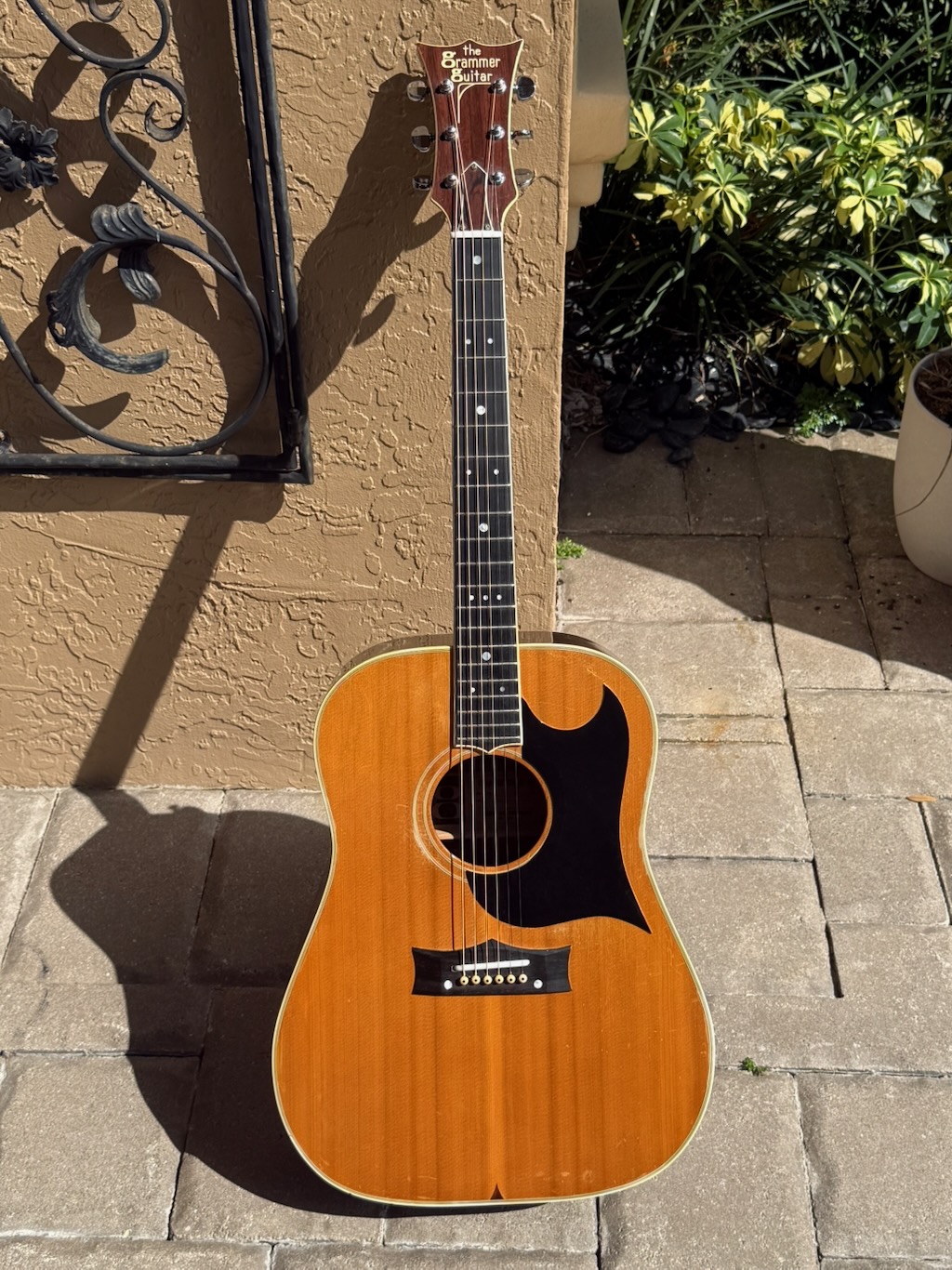
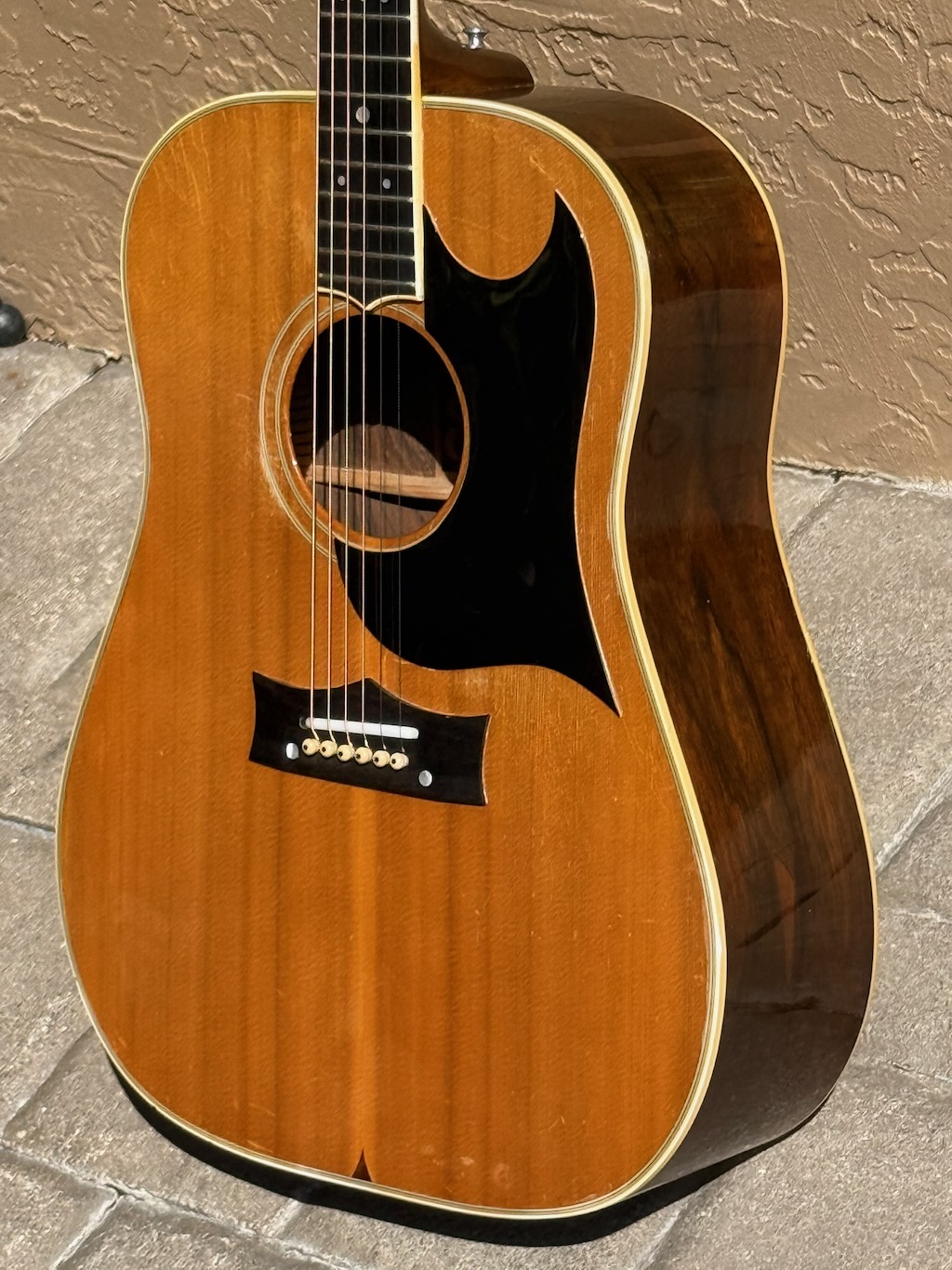
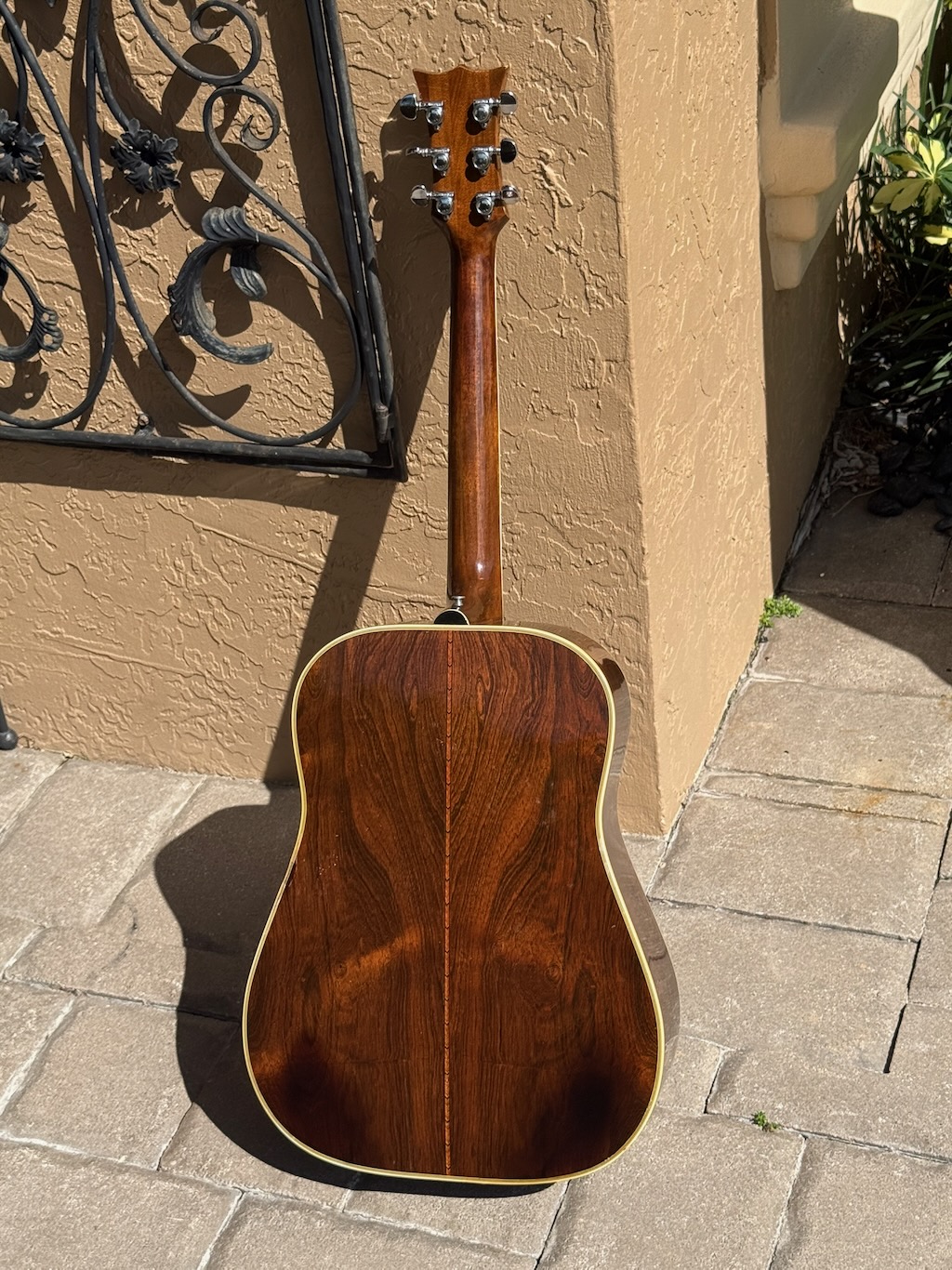
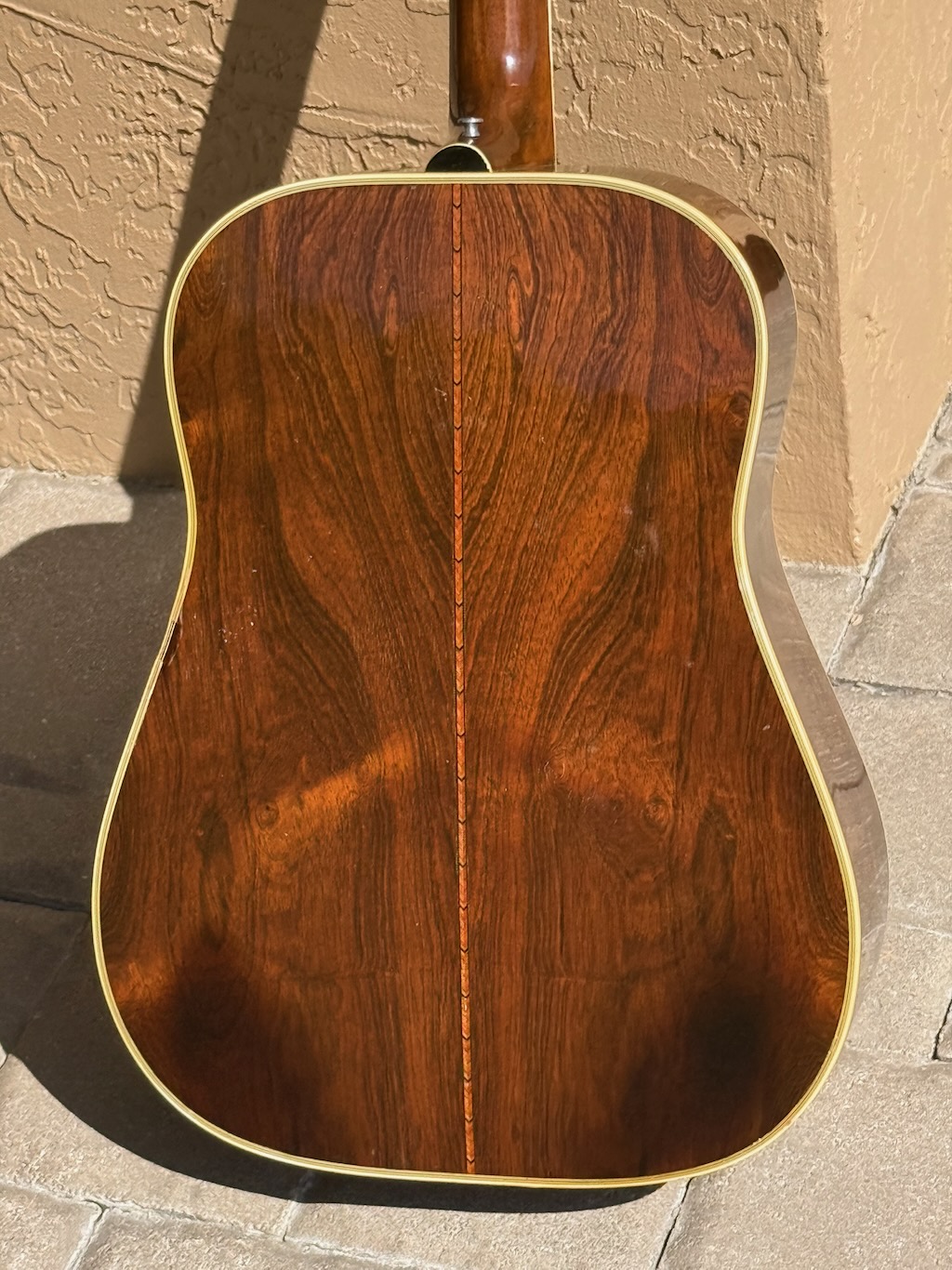
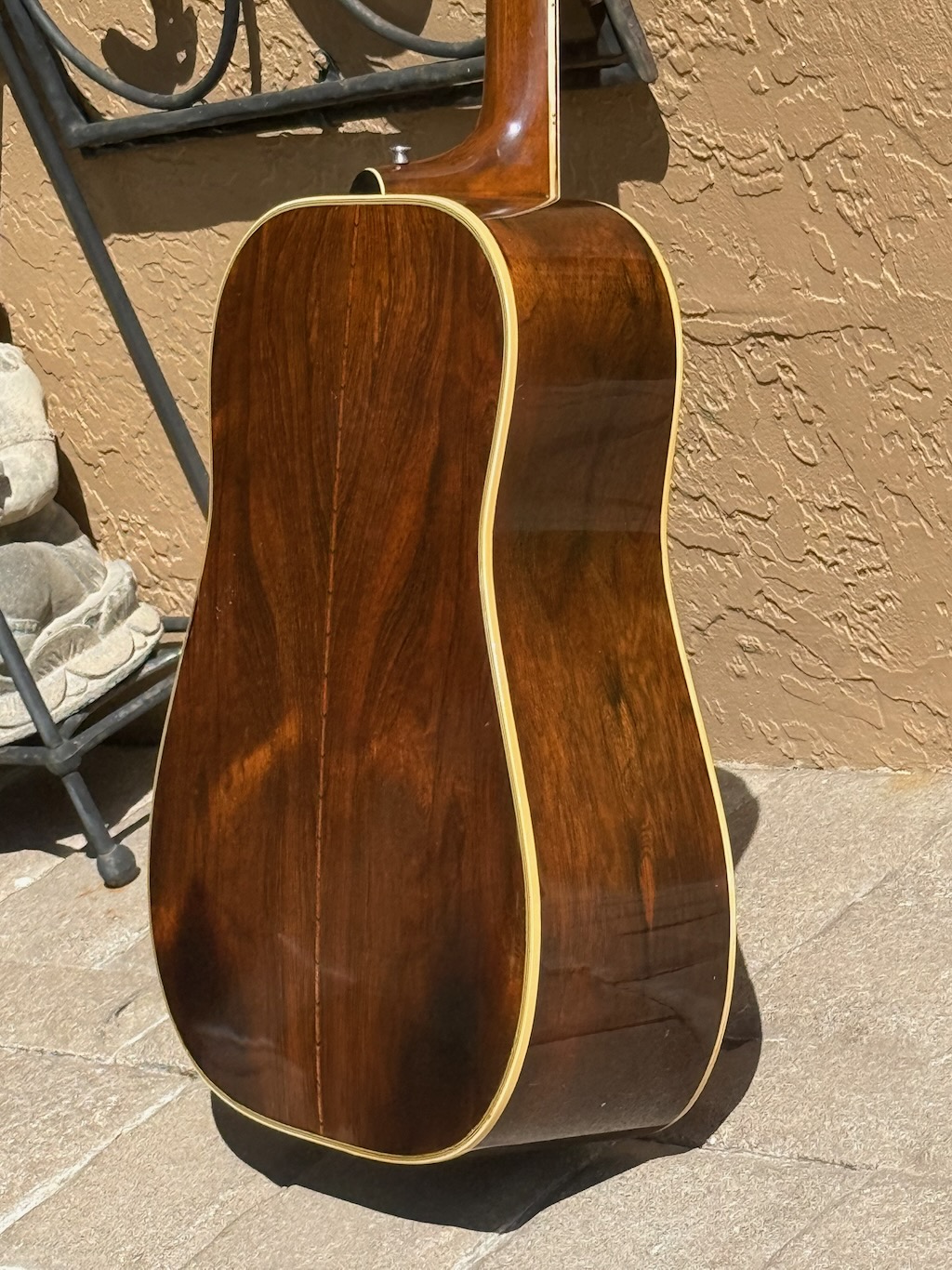
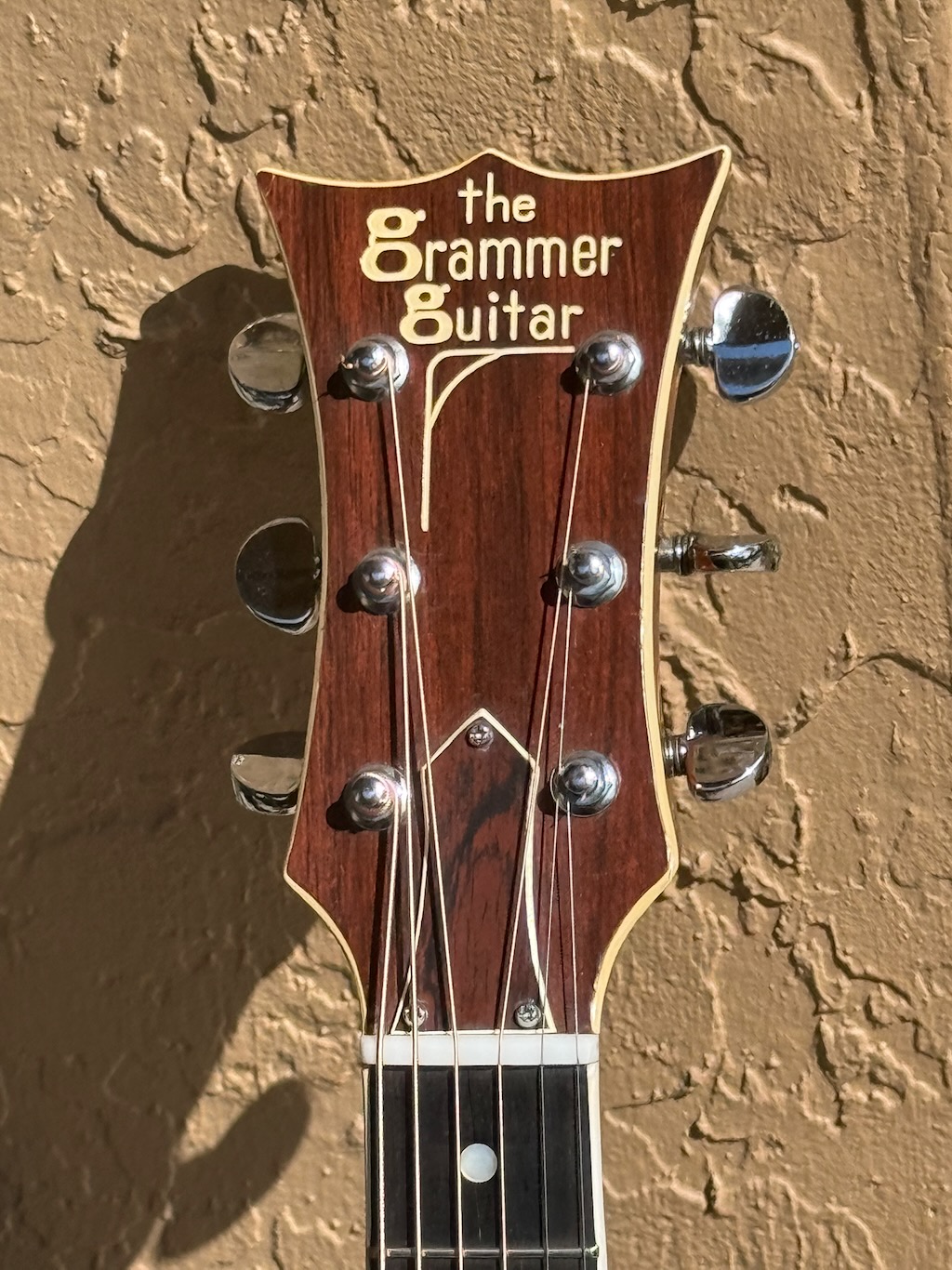
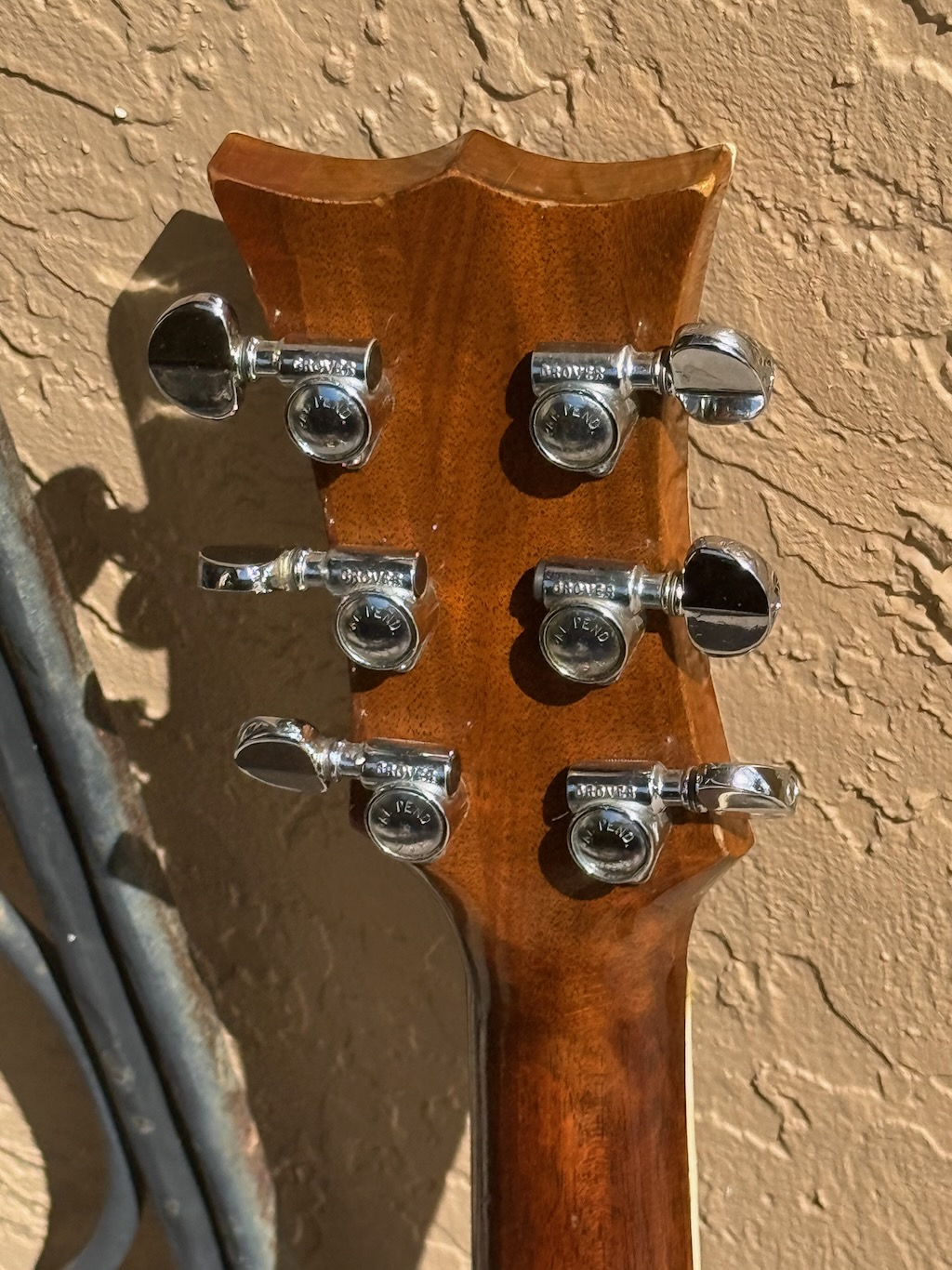
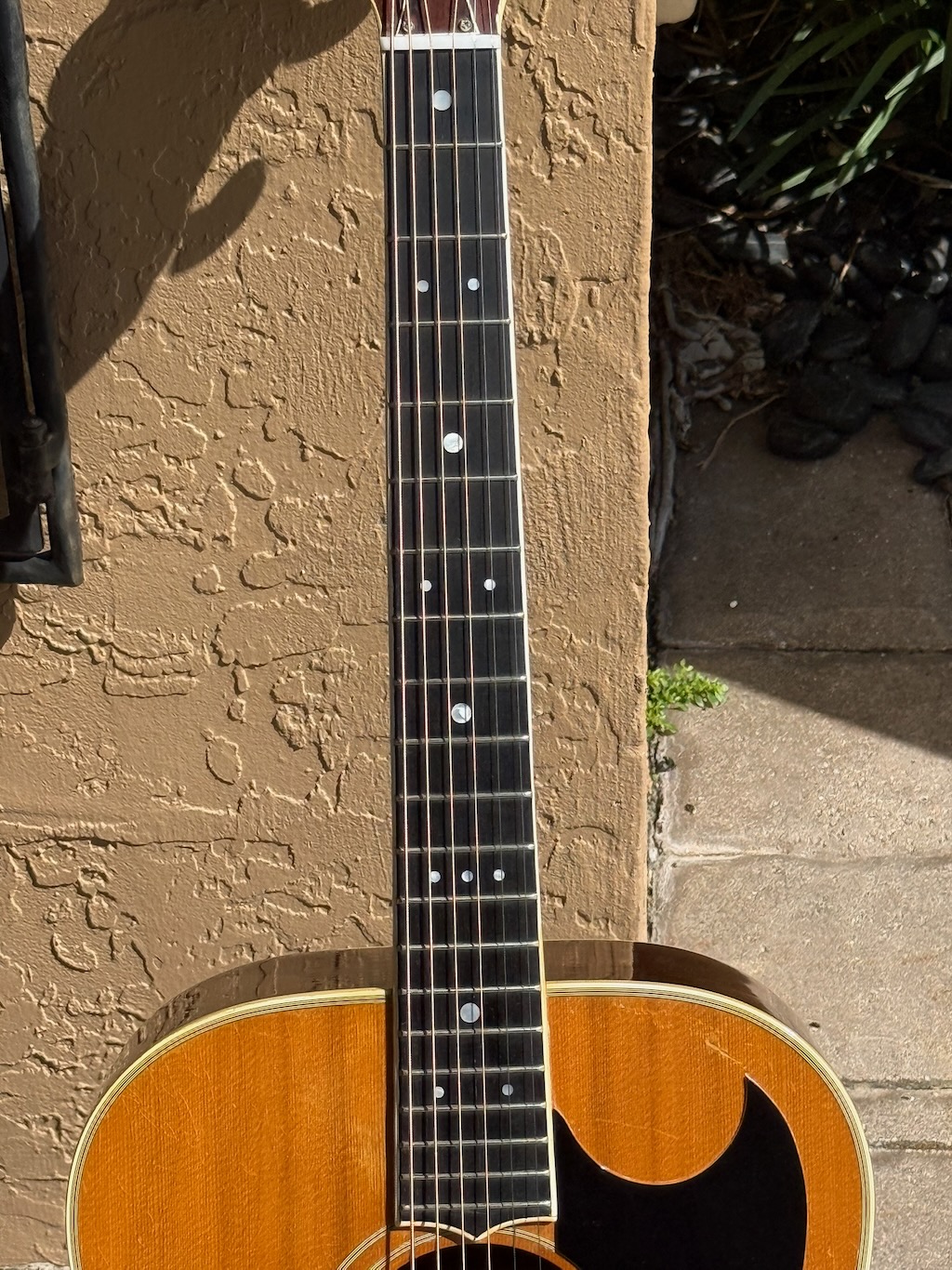
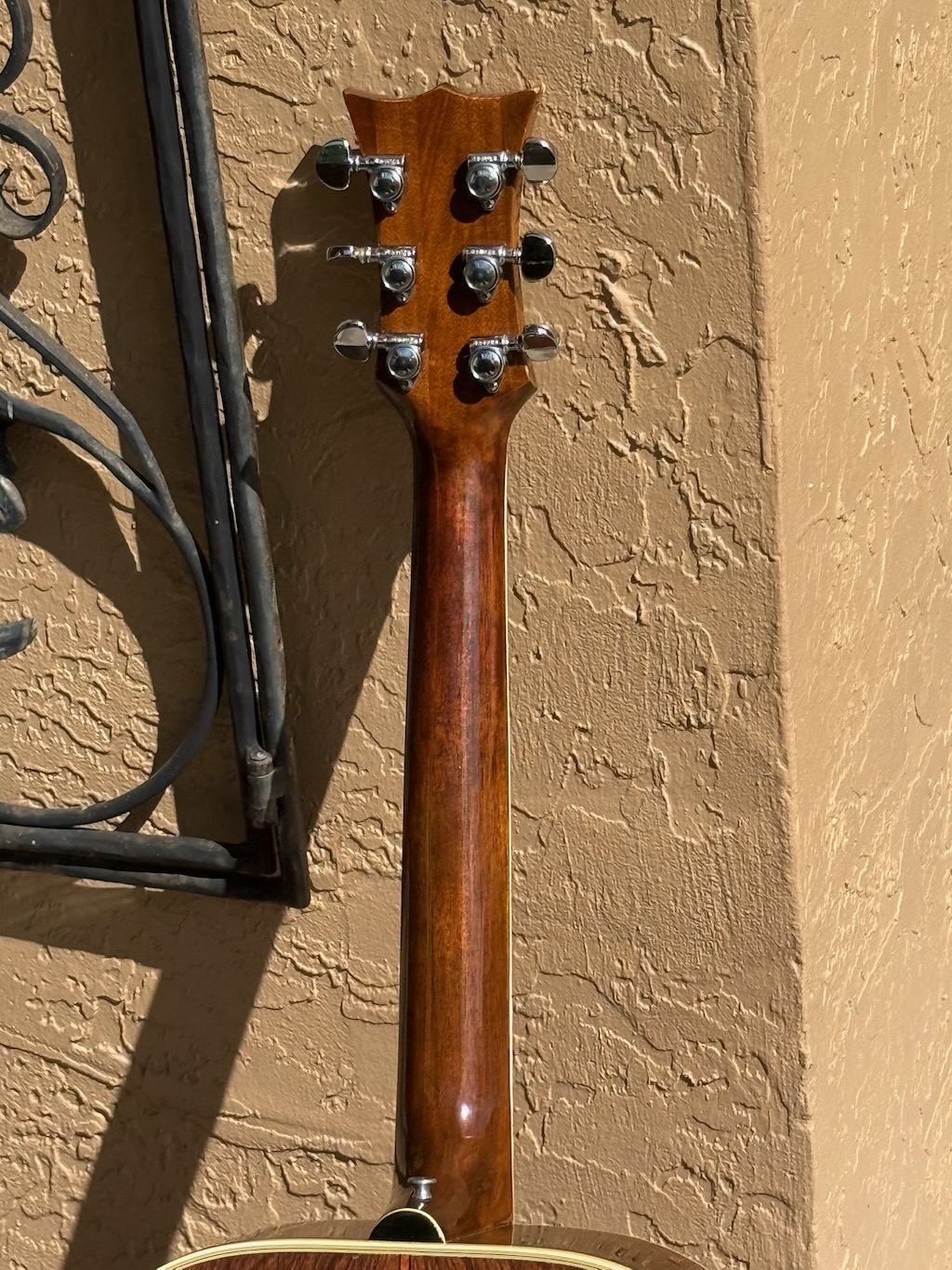
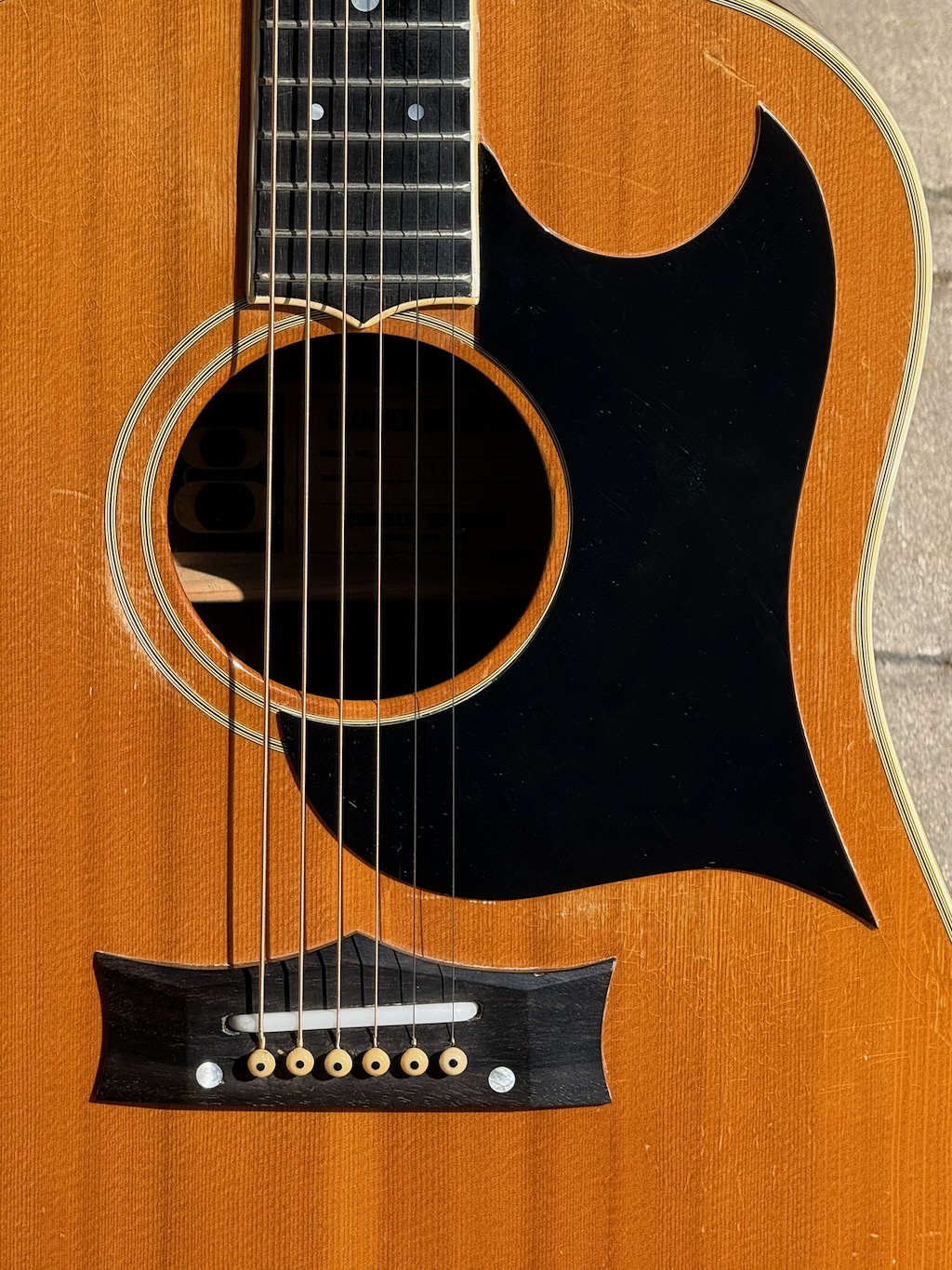
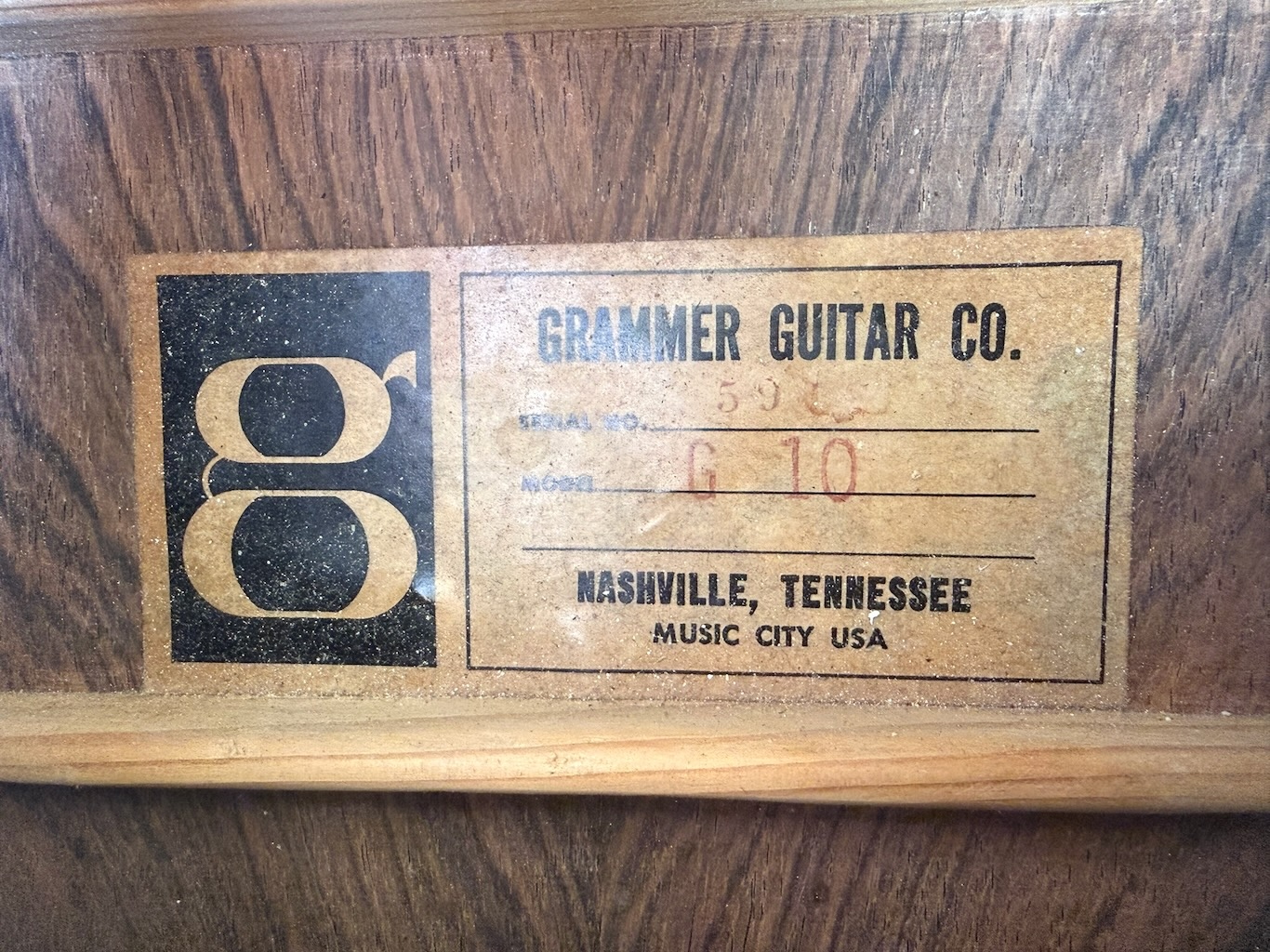
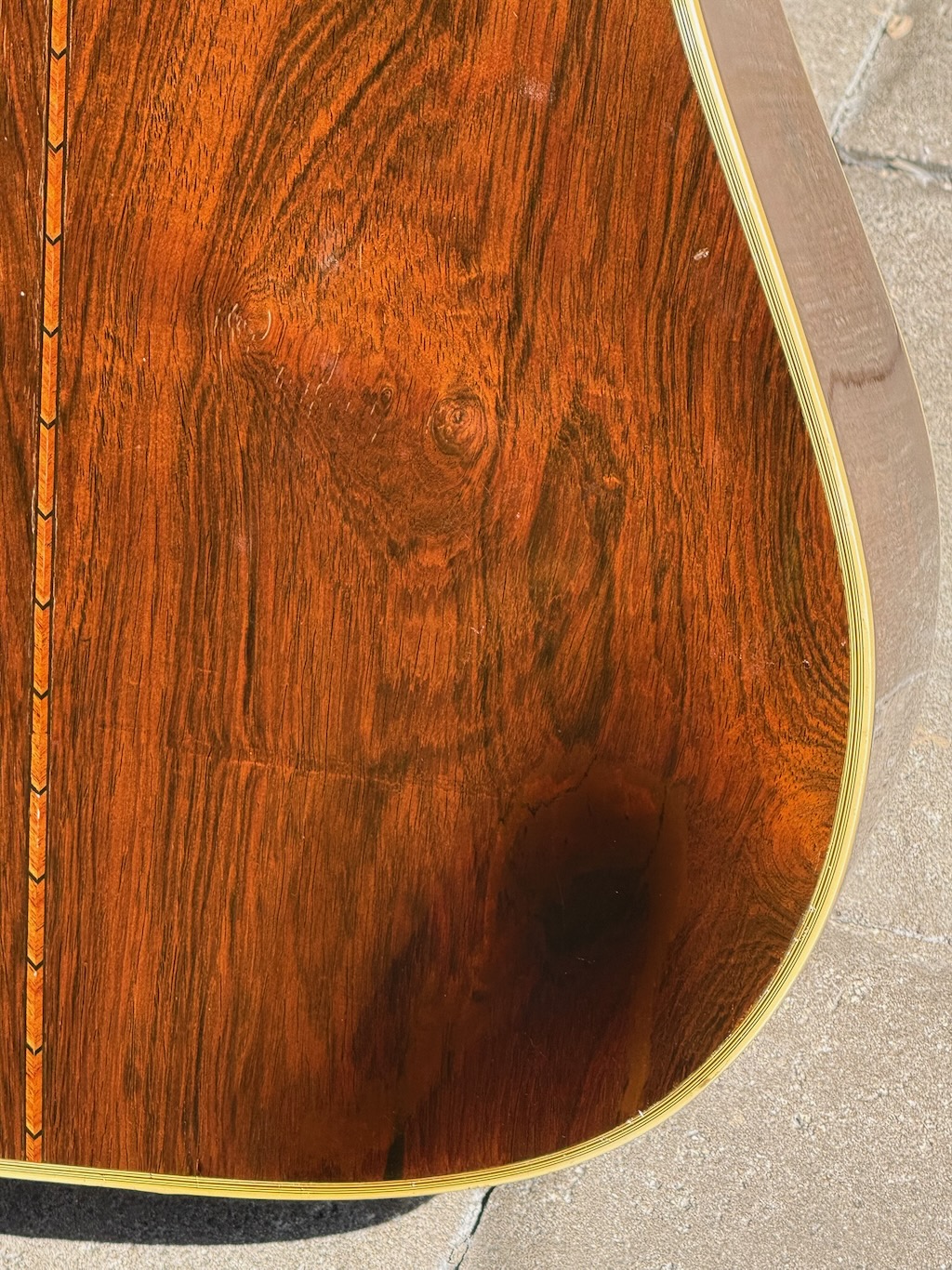
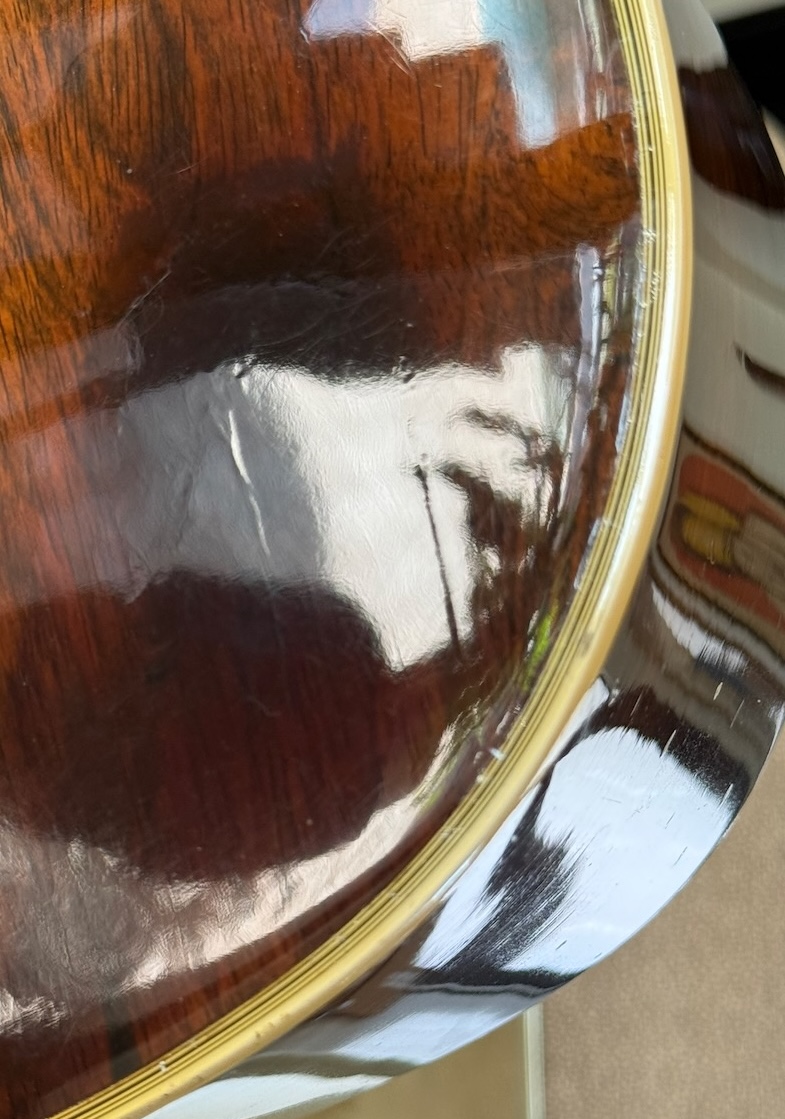
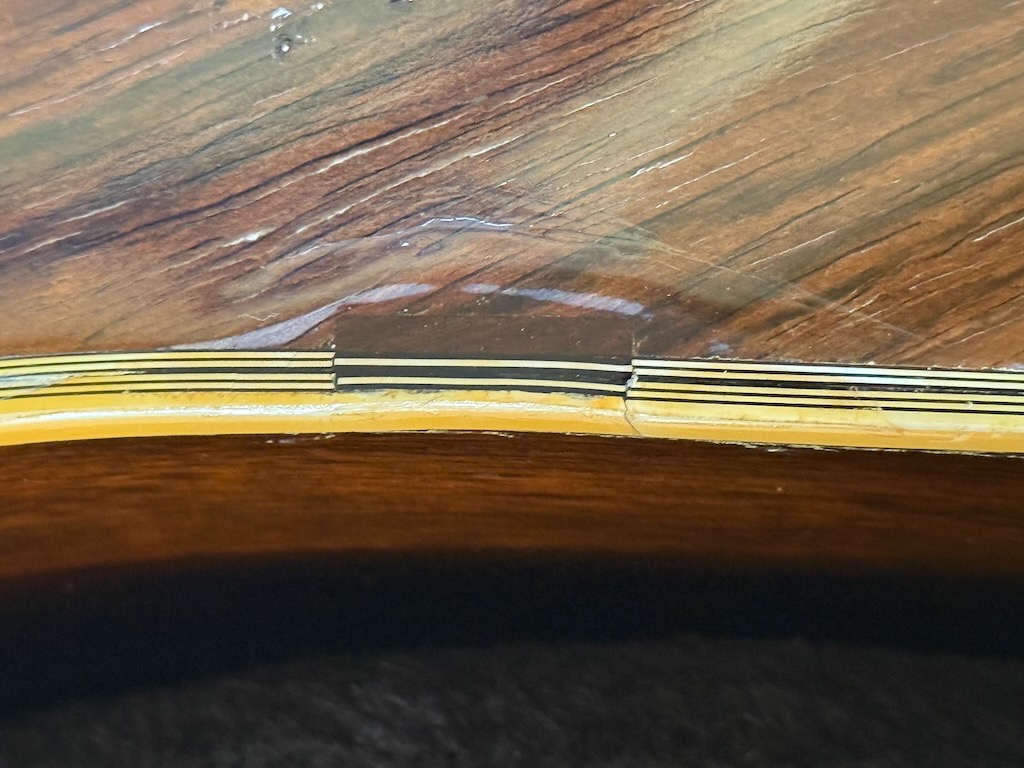
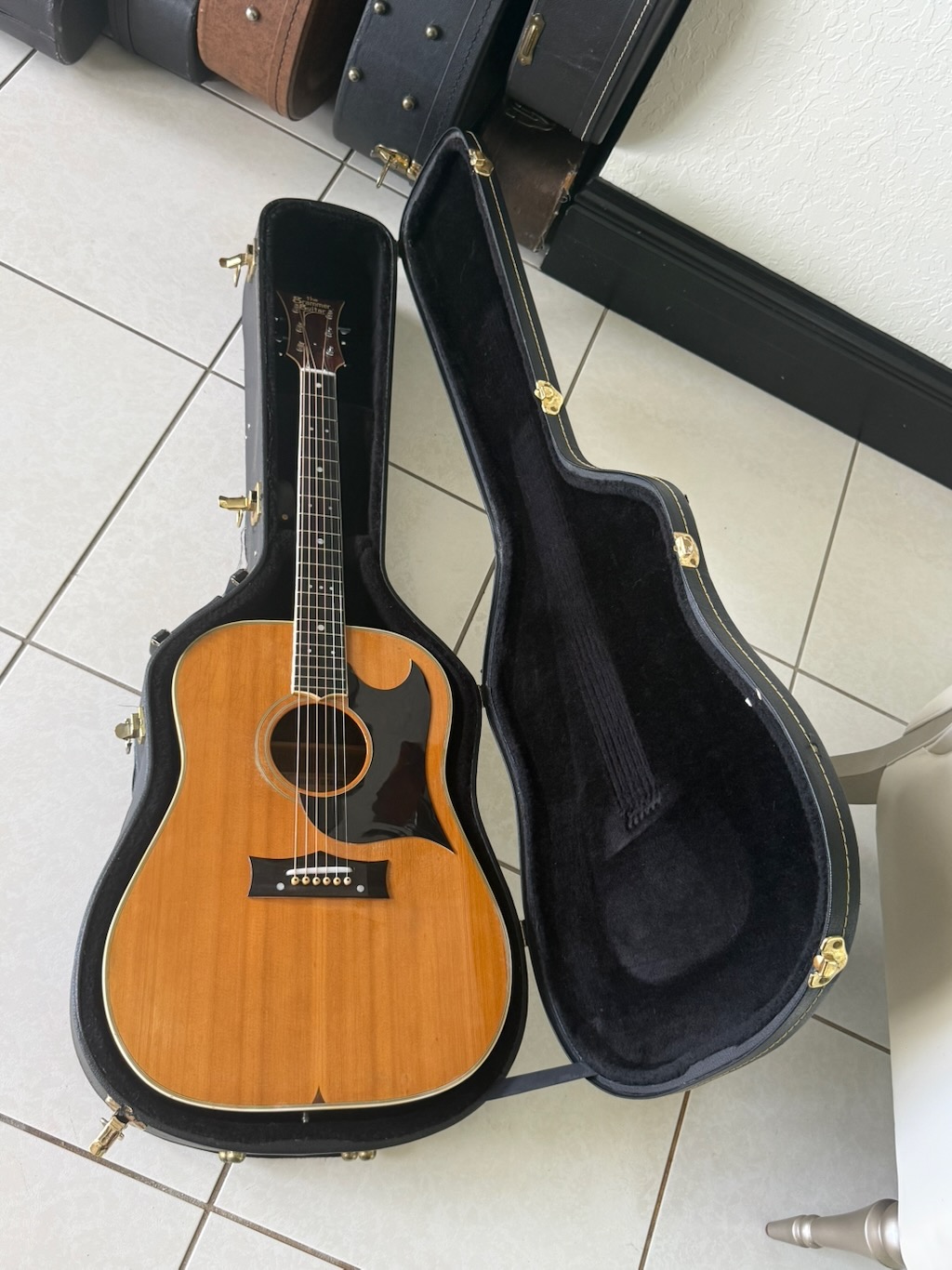
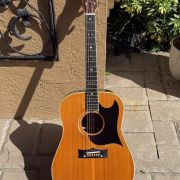
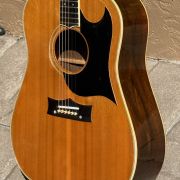
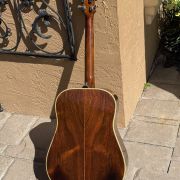
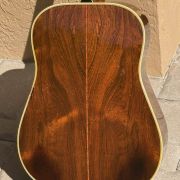
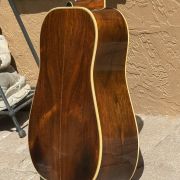
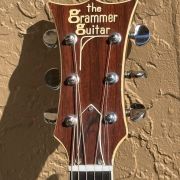
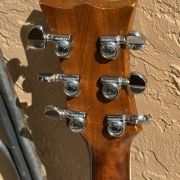
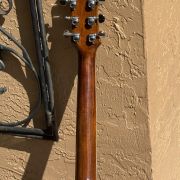
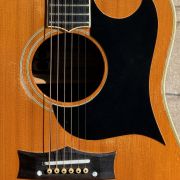
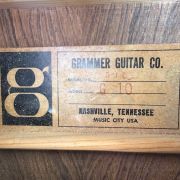
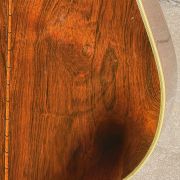
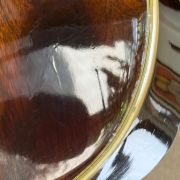
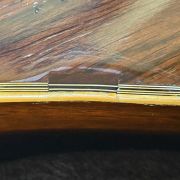
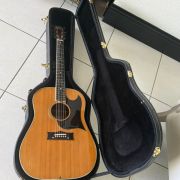
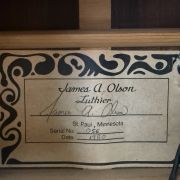
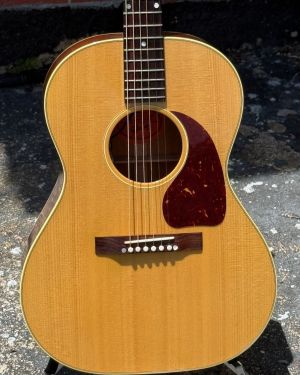
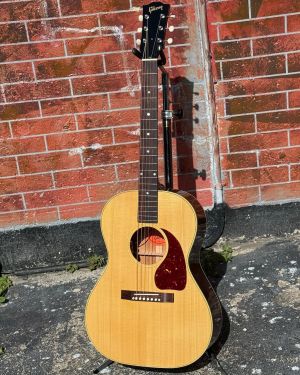
The Grammer G-10 we’re looking at here was built just after the company was acquired by Ampeg. Its Grover tuners indicate it hails from late 1967 or early ’68. The instrument has a natural blonde Sitka spruce top that has aged well, w/a very figured & colorful Brazilian Rosewood back and sides. It’s gorgeous and sounds amazing, with classic Grammer appointments. After eyeballing this guitar up close and hearing its ringing, clean, rich voice, it’s easy to see why so many artists played these instruments. It has 1 small piece of its back side binding replaced as well as a nicely repaired & touched up crack on its lower right side back panel. Otherwise she’s excellent overall & has a great aged patina for its 48 years on earth. It comes in an original type hard case.
About the Grammer Guitar Company:
After extensive research—and dissecting J-45s and D-18s to create an interior bracing that was a hybrid of both, he developed the first Grammer prototype in March 1965, and the company started on an $18,000 stake and was shipping soon after that. The price for the early Grammers was $395. They measured 15 1/2″ at the lower bout and 5″ deep, and the scale of the compensated neck was 24 1/2″.
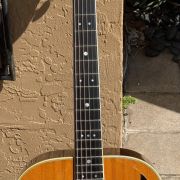
Billy Grammer valued quality and eye-appeal over profits. During the middle of his first run of guitars, he decided to redesign his instrument’s headstock, bridge, and pickguard. The new bridge had a crown shape to match the top of the headstock. Another unique detail was the inlay that ran the length of the fretboard and matched the body binding. Large and small pearl dots alternated down the ebony or rosewood fretboards, with two small dots at the 3rd, 7th, and 15th frets, and three at the 12th fret. Brazilian rosewood, flamed maple, and bird’s-eye maple were all used for the tops, with, typically, ribbon mahogany for the back and sides.
We’ve seen many Grammer’s in circulation in Nashville over the years—came in amazing colors, besides the basic natural finish with an aged tint that our example wears. These include red, purple wine, blue burst, and a green burst that is highly sought in the vintage market. Those finishes, along with a unique batwing-style pickguard, defined these guitars as instruments for the stage, and they were popular with such country stars as Porter Wagoner, Dolly Parton, Loretta Lynn, the Wilburn Brothers, Hank Locklin, and Johnny Cash. Hotshot guitarists including Merle Travis, Leon Rhodes, and the Rolling Stones’ Mick Taylor also played Grammers.
By 1968, the rising cost of materials was causing the company to sputter. Luckily, that’s when Ampeg approached Billy Grammer to buy the rights to manufacture his 6-strings. He took the deal and received royalties for each guitar sold. Ampeg pushed hard into the market, and Grammer opened up a showroom on Nashville’s lower Broadway—a stone’s throw from the Ryman Auditorium.
In April ’68, shortly after Ampeg took over, the Grammer factory burned and all the tools and records were lost. Ampeg rebuilt the shop and continued the brand, but the year after Ampeg was acquired by Magnavox-Selmer in 1971, the Grammer line was retired. Under Ampeg, the brand branched out from a single guitar style to G-10, G-20, G-30, and G-40 models, with prices rising alongside those numbers. But the biggest immediately discernable change that came with Ampeg’s ownership was the transition from a capital G to a lowercase G on the headstocks. Regardless of the size of their G’s, every Grammer guitar weve come across has been magical.